Basement Waterproofing Tips to Prevent Mold and Milidity
A damp basement rarely announces itself with a dramatic flood. More often, it starts quietly. The air feels heavier than the rest of the house. Cardboard softens at the edges. A faint earthy smell hangs near the stairs. Paint bubbles. A stored rug picks up a clammy touch. By the time mold becomes visible, the moisture problem has usually been active for a while.
That is why good basement waterproofing is less about reacting to disaster and more about interrupting moisture before it settles into the structure. Mold and mildew do not need standing water. They need moisture, organic material, and a little time. Most basements offer all three unless the space is managed carefully.
Homeowners often focus on one obvious fix, such as running a dehumidifier or patching a crack from the inside. Those can help, but basements behave like systems. Water moves through soil, around foundations, through capillary action in concrete, and through humid air that condenses on cooler surfaces. If you do not address the full path water takes, the problem usually comes back.
Why basements stay wet longer than people expect
A basement is surrounded by soil, and soil holds water. After a hard rain, the ground around your house can stay saturated for days. Hydrostatic pressure builds against the foundation walls and floor. Concrete, despite looking solid, is porous. Moisture can move through it slowly even when there is no obvious crack or leak.
Temperature also works against you. Basements tend to be cooler than the rest of the house. Warm, humid air entering from upstairs or through open windows can condense on cool foundation walls, pipes, and slab floors. I have seen basements with no exterior water intrusion at all still develop mildew behind stored boxes simply because summer humidity stayed trapped in the room.
The first useful mindset shift is this: not every wet basement is leaking, and not every leak comes from a hole in the wall. Sometimes the problem is bulk water from outside. Sometimes it is indoor humidity. Often it is both.
Start outdoors, because most water problems do
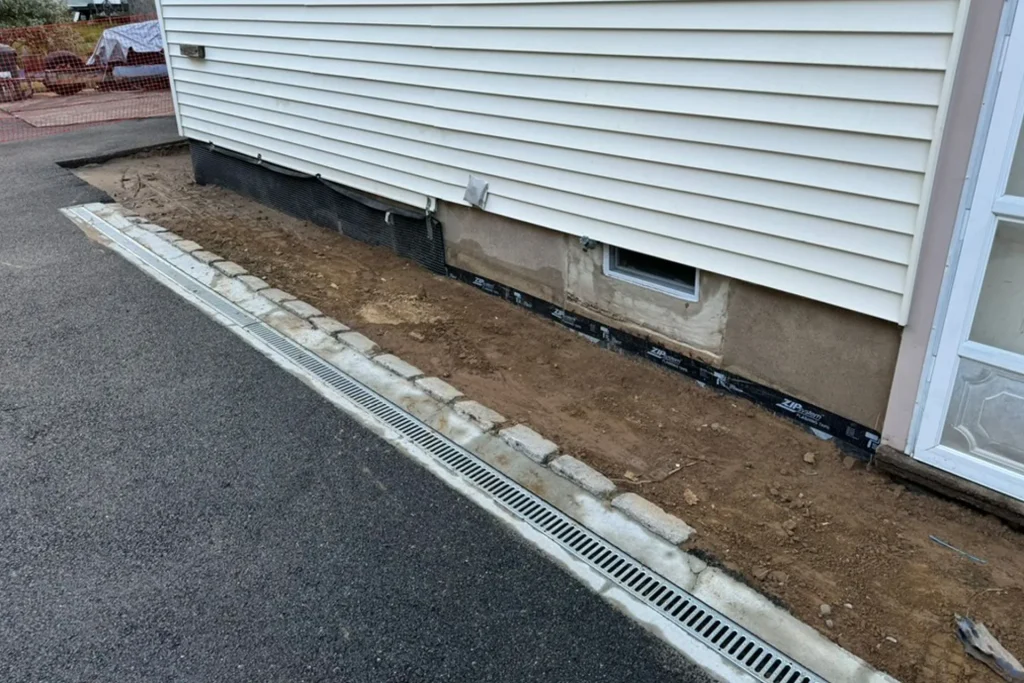
The most effective basement waterproofing work often happens before you touch the basement itself. If you can keep rainwater from collecting near the foundation, you reduce the burden on every interior system.
Roof runoff is one https://andresmhji870.summitviewdaily.com/posts/basement-waterproofing-upgrades-that-improve-energy-efficiency of the biggest offenders. A single downspout discharging beside the house can dump hundreds of gallons near the footing during a storm. If the grading is flat or pitched toward the home, that water has nowhere to go except down the wall and into the surrounding soil.
Walk the perimeter during or right after a rain. You learn more in ten minutes with wet shoes than you do from staring at a dry basement wall. Look for splashing gutters, clogged downspouts, puddles near the foundation, eroded mulch channels, and low spots where water lakes against the house. Those are not cosmetic issues. They are direct clues.
Here are the outdoor corrections that solve a surprising number of basement moisture complaints:
- Clean gutters and make sure downspouts carry water several feet away from the foundation.
- Regrade soil so it slopes away from the house, ideally over the first 6 to 10 feet.
- Replace settled mulch beds or edging that trap water against the wall.
- Fix leaking hose bibs and irrigation heads that soak the foundation area.
- Trim dense plantings that block air movement and keep soil damp for long periods.
None of these steps are glamorous, but they are high return fixes. In many homes, especially older ones with partial basements or crawlspace transitions, proper drainage outside reduces interior dampness more than any coating applied indoors.
Understand the difference between dampness, seepage, and flooding
People use the word "leak" for everything, but moisture problems fall into a few different categories, and the remedy depends on which one you have.
Dampness usually shows up as musty odor, elevated humidity, condensation, or slight darkening on masonry. You may notice efflorescence, that white chalky residue left behind when water vapor moves through concrete or block and evaporates. This points to moisture migration, but not necessarily active water entry.
Seepage is more direct. Water may appear at the cove joint where the floor meets the wall, along a crack, around a pipe penetration, or through porous block walls after heavy rain. Seepage is often intermittent. Homeowners sometimes dismiss it because it only happens two or three times a year, but those are exactly the conditions mold needs to keep returning.
Flooding is the obvious one. Water enters in quantity, whether from overwhelmed drains, foundation failure, storm surge, or a failed sump system. Flooding needs immediate remediation and sanitation, not just waterproofing.
Getting the diagnosis right matters. I have seen homeowners spend money on interior wall sealers when their real problem was condensation from uninsulated cold water lines and a basement humidity level above 70 percent. I have also seen the reverse, where someone blamed humidity when runoff outside was pooling directly against a cracked wall.
Interior warning signs that deserve attention early
Basements usually offer clues long before structural damage or heavy mold growth develops. The trick is not to normalize them.
A persistent musty smell is one of the earliest signs. So is repeated rusting on metal shelving, nail pops in drywall, peeling paint, or soft baseboards in a finished basement. If the bottom corners of stored cardboard boxes wrinkle or darken, that is not just basement life. It means moisture is present often enough to be absorbed by porous material.
Watch the lower section of walls closely. Tide marks, staining, and white mineral residue tell a story about how high water or vapor has traveled. Lift area rugs and rubber-backed mats if you use them on slab floors. Those can trap moisture underneath, creating a perfect habitat for mildew.
Pay attention to timing. If the odor gets worse after rain, suspect exterior water management or seepage. If it spikes during hot weather, humidity and condensation may be the bigger issue. If it stays bad year-round, you may have a combination problem or hidden wet materials behind finished walls.
Control indoor humidity before mold gets a foothold
Even with excellent drainage, many basements still need humidity control. Relative humidity above about 60 percent gives mold a comfortable environment. For most basements, keeping it closer to 50 percent is safer. In some climates, that may require a dehumidifier from late spring through early fall.
Placement matters. A dehumidifier shoved into a far corner with poor airflow will not help much. Set it where air can circulate freely and make sure it drains continuously if possible. Relying on a small bucket invites overflow or frequent shutdowns, especially in very humid weather. If the unit runs constantly and still cannot bring humidity down, that is a signal to reassess the source of moisture rather than simply buying a bigger machine.
Ventilation is not always the answer people think it is. Opening basement windows on a humid summer day often makes conditions worse. Warm outdoor air enters, meets cool concrete surfaces, and condenses. In many regions, a closed basement with active dehumidification is drier than an open one.
Insulating cold surfaces can also help. Uninsulated water lines often "sweat" in summer and drip onto framing or stored items. Ducts can do the same. Basic pipe insulation is inexpensive and prevents a surprising amount of localized moisture.
Be careful with interior sealants and waterproof paints
Interior masonry sealers and waterproof paints have their place, but they are frequently oversold. They can reduce minor vapor transmission and improve the appearance of a wall. They do not stop significant external water pressure. If water is pushing through the wall from outside, a coating on the inside is trying to hold back pressure from the wrong side.
That does not mean these products are useless. In a basement with generally good drainage and only slight dampness, a breathable sealer may be part of a larger strategy. The mistake is treating it as the strategy.
If you decide to use a coating, surface prep matters more than the label promises. Any loose paint, dirt, efflorescence, or previous coating failure will compromise adhesion. And if a wall is actively wet, sealing it can trap moisture and worsen deterioration. Always identify whether you are dealing with vapor movement, seepage, or actual cracks before applying anything.
Foundation cracks deserve judgment, not panic
Not every crack means the house is in trouble, but every crack should be evaluated in context. Hairline shrinkage cracks in poured concrete are common. Vertical cracks can sometimes be repaired effectively from the interior with injected materials, depending on width and activity. Horizontal cracks, stair-step cracking in block walls, bowing, or displacement deserve more scrutiny because they may indicate structural pressure from soil.
The key question is whether the crack is merely a path for water or evidence of movement. If the edges are offset, widening, or paired with inward wall bowing, waterproofing alone will not solve the underlying issue. A structural assessment may be necessary before any moisture repair is finalized.
In practical terms, if you find one isolated damp crack that appears stable, a targeted repair may be enough. If you find multiple cracks, seepage at the cove joint, and wet soil grading outside, think system-wide.
Drainage systems inside the basement
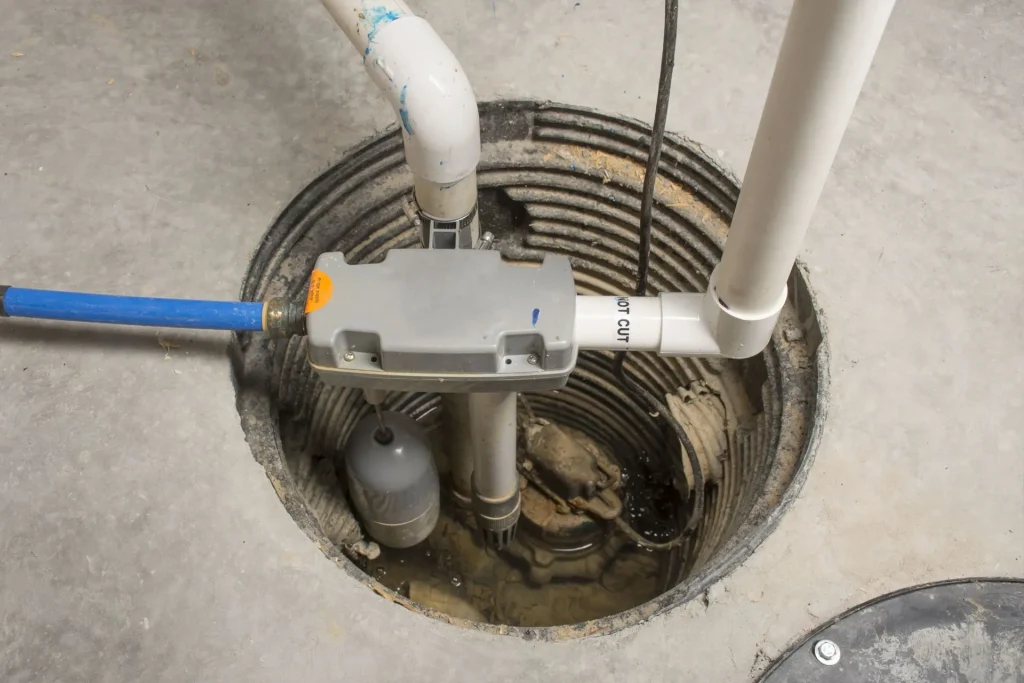
When outside corrections are not enough, interior drainage systems can be very effective. These typically capture water at the perimeter and direct it to a sump pit, where a pump discharges it away from the home. They do not stop water from reaching the foundation, but they control it before it reaches the basement floor.
A good sump pump setup is not just a pump in a hole. Reliability depends on sizing, check valves, discharge routing, and backup power. During strong storms, pumps often fail when they are needed most because the power goes out or the discharge line clogs, freezes, or dumps too close to the foundation.
For homeowners comparing options, these are the details worth asking about:
- Whether the system addresses wall seepage, floor seepage, or both.
- How the sump pump is powered during outages, such as battery or water backup.
- Where the discharge line ends, and whether it can freeze in winter.
- What maintenance the system needs each year.
- Whether the installer is solving water entry or only hiding visible symptoms.
A well-designed interior drainage system can be a smart answer in high water table areas or homes where excavation outside is impractical. But it should still be paired with sensible exterior drainage. Catching water indoors is often a second line of defense, not the first.
Finished basements need different materials than upstairs rooms
A basement can look dry for months and still be a risky place for the wrong finish materials. This is one of the costliest mistakes I see. Standard drywall, fiberglass insulation against foundation walls, carpet with thick pad, and untreated wood trim all react poorly to even minor moisture events.
If you are finishing or renovating a basement, choose materials with moisture tolerance in mind. Rigid foam insulation, metal studs in some assemblies, mold-resistant drywall where appropriate, tile or luxury vinyl flooring, and raised subfloor systems can all improve resilience. There is no truly waterproof finished basement in the absolute sense, but there are basements that recover from minor moisture far better than others.
Storage habits matter too. Keep boxes, fabrics, and paper goods off the slab and a little away from foundation walls. Plastic bins with secure lids outperform cardboard in damp-prone spaces every time. A simple shelf system can prevent thousands of dollars in ruined keepsakes if a leak appears overnight.
Mold cleanup and moisture correction must happen together
If mold is already present, cleaning the surface without fixing the moisture source is a temporary cosmetic job. The mold will return because the conditions remain. At the same time, fixing the water issue without removing contaminated porous materials can leave odor and spores behind.
Small areas of mildew on nonporous surfaces may be manageable with appropriate cleaning and drying. Larger contamination, repeated growth, or mold in wall cavities, insulation, and carpeting usually calls for a more careful remediation plan. The line between a nuisance patch and a significant indoor air quality problem depends on the extent, the materials affected, and the health sensitivity of the occupants.
I have walked through basements where the visible mold seemed minor, but once a lower section of finished wall was opened, the backside of the drywall was heavily colonized. The lesson is simple: what you can smell often extends farther than what you can see.
Seasonal habits that keep trouble from returning
Basement waterproofing is not a one-time event for most homes. It is closer to maintenance than to a permanent cure. Conditions change with the seasons, landscaping settles, gutters clog again, and pumps age out.
Spring is the right time to check discharge lines, gutter performance, and grading damage from winter. Summer is the time to watch humidity and condensation. Fall is ideal for cleaning gutters and clearing leaves before freeze-thaw cycles begin. Winter brings its own issue, especially if discharge lines freeze or snowmelt refreezes near the foundation.
The homeowners who avoid repeat problems are usually not the ones who did the most expensive project. They are the ones who learned the weak points of their house and kept up with them.
When to handle it yourself and when to call for help
There is plenty a homeowner can do well. Cleaning gutters, extending downspouts, regrading shallow low spots, running a dehumidifier, insulating pipes, improving storage practices, and documenting when and where moisture appears are all practical first moves.
Professional help becomes more important when water enters through multiple pathways, foundation walls show movement, mold is extensive, or finished materials need to be opened up. It is also wise when you have tried the obvious fixes and humidity or seepage remains stubbornly high.
A good contractor should ask detailed questions and inspect both inside and outside. If someone proposes an expensive basement waterproofing system without discussing roof runoff, grading, and humidity, be cautious. Water problems are interconnected, and any diagnosis that skips the exterior is incomplete.
The real goal is a stable basement, not just a dry floor
People tend to judge a basement by whether there is visible water on the floor. That standard is too low. A basement can have no puddles and still be unhealthy for storage, unpleasant to occupy, and quietly damaging to framing, finishes, and air quality.
A successful approach aims for stability. The air should feel dry, the surfaces should stay dry through seasonal changes, stored items should remain clean and intact, and odors should not return after rain. That usually requires a combination of drainage control, humidity management, selective repairs, and better material choices.
When those pieces work together, mold and mildew lose their opportunity. And that is the real value of basement waterproofing. It is not just about keeping water out during the next storm. It is about making the lowest level of your home predictably dry, usable, and far less vulnerable year after year.
ARD Waterproofing
98 Smull Ave, West Caldwell, NJ 07006, United States
+1 917-691-8411
FAQ About Basement Waterproofing
Can you 100% Waterproof a Basement in West Caldwell?
A properly designed system can substantially reduce basement water intrusion, but no method can promise protection against every flood, equipment failure, or future change in site conditions. The first step is identifying whether moisture comes from surface runoff, groundwater, plumbing, or condensation. Solutions may include grading and gutter improvements, drainage, foundation repairs, and a sump system. Review the specific coverage and exclusions of any written warranty.
How much does it cost to professionally waterproof a basement in NJ?
There is no single price that fits every basement. Cost depends on the cause of the leak, the area needing work, access, excavation requirements, drainage design, sump equipment, and restoration of disturbed finishes or landscaping. Request an on-site assessment and an itemized written estimate that explains the scope, exclusions, and maintenance requirements before comparing proposals.
How long does foundation waterproofing last in West Caldwell, NJ?
Service life varies with the waterproofing materials, installation quality, soil and water conditions, and maintenance. Drainage components and pumps may require servicing or replacement even when other parts of the system remain functional. Keep gutters, drainage outlets, and sump equipment maintained, and have recurring leaks or changes in foundation condition assessed. Ask for product-specific expectations and written warranty terms rather than relying on one lifespan for the entire system.